
Ergonomic Office Chairs
Choosing the right ergonomic chair involves more than simply picking the popular model. At ErgoDirect, we believe the chair should fit the user, not the other way around. No two computer users are alike. People differ in their body dimensions, work habits, job requirements, working hours, and the equipment they use. Their workstation—including the chair—should accommodate these individual differences.
Over our 20+ years in ergonomics, we've helped users with a wide range of body types, work environments, and seating needs. These include petite users experiencing shoulder discomfort, people with back pain or herniated discs, users who tend to slouch, and those seeking better seating support while managing concerns such as sciatica, neck pain, knee discomfort, or carpal tunnel syndrome.
Despite their different needs, these users share one important requirement: a chair that fits their body, supports a comfortable working posture, and accommodates their workstation and daily work habits.
How to choose the right ergonomic chair?
Finding the right ergonomic chair for your specific needs depends on several factors - Height, weight, desk height, workstation type, working hours, existing discomfort or pain, working style and armrest requirement.
Not sure where to start?
Our Chair Finder matches ergonomic office chairs to your height, weight, workstation, work habits and unique needs. Your answers are personally reviewed by a human ergonomic specialist, who recommends chairs that fit your body and workspace.
Please see our detailed notes below about the factors that should be considered while selecting a suitable chair for you.
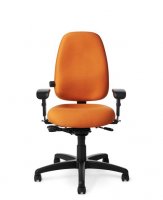
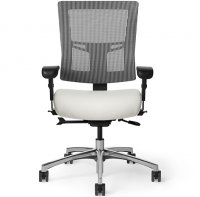
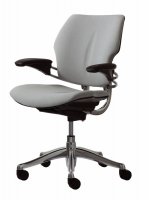
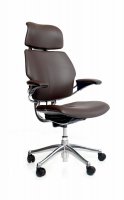
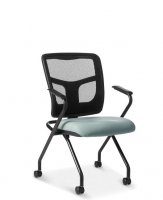
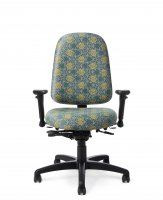
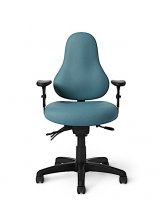
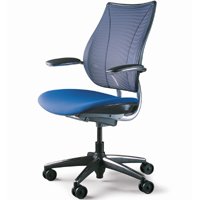
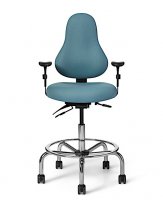
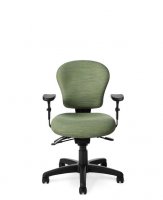
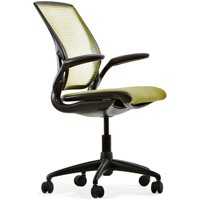
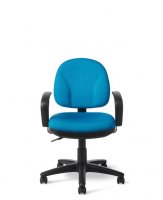
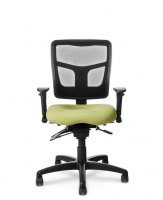
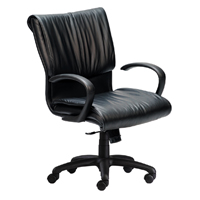
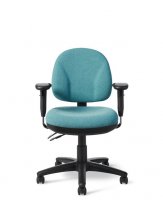
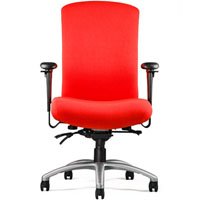
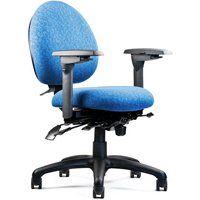
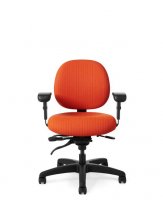
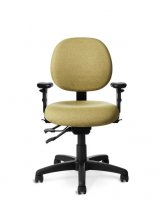
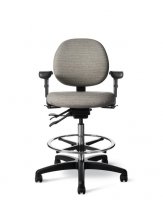
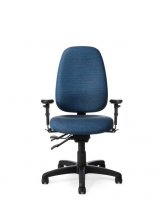
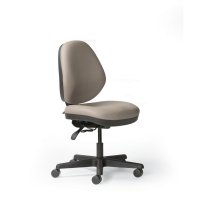
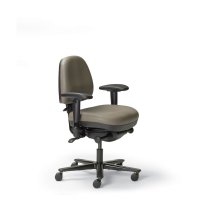
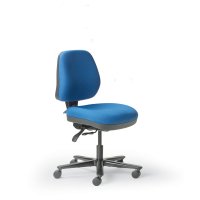
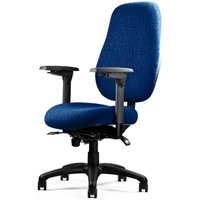
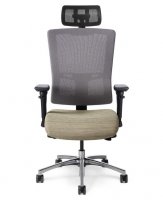
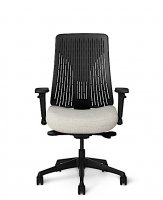
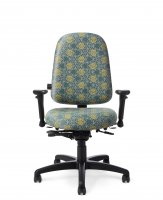
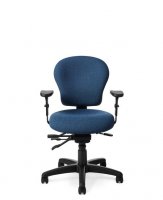
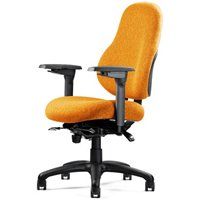
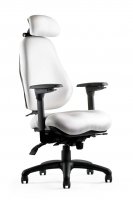
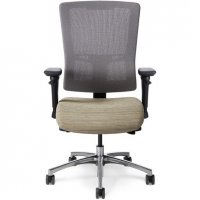
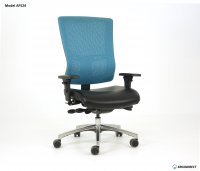
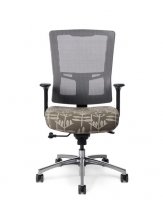
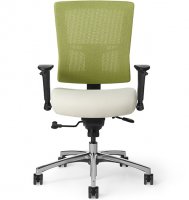
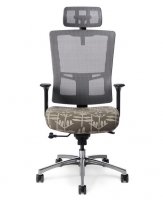
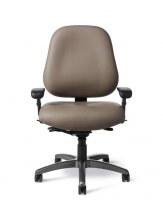
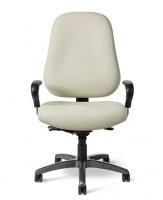
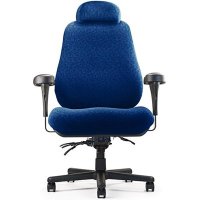
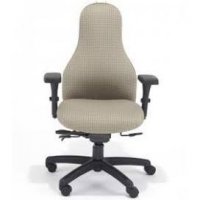
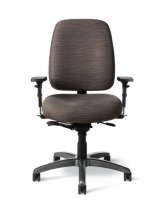
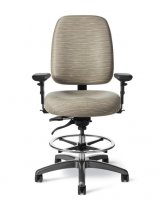
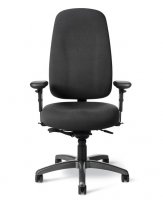
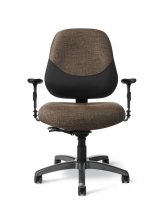
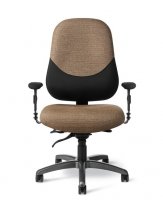
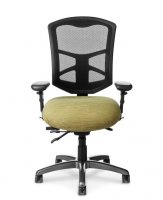
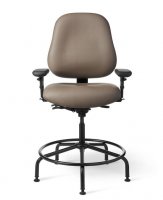
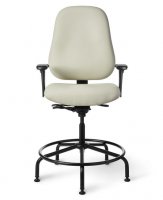
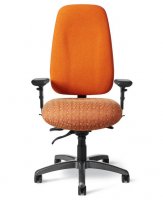
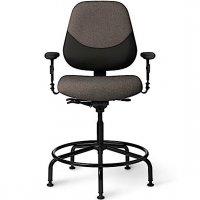
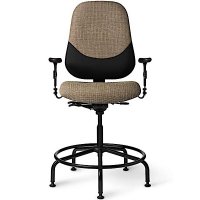
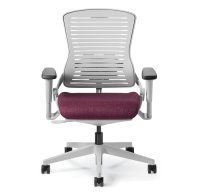
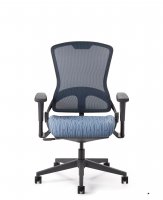
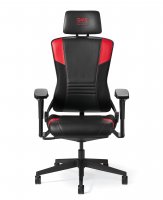
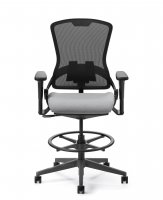
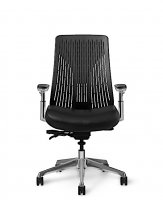
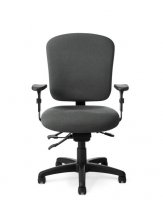
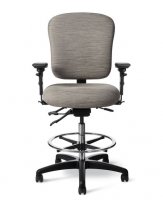
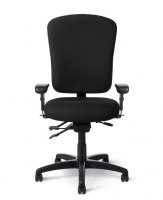
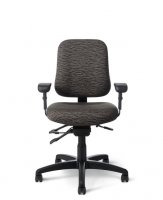
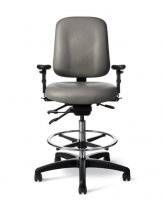
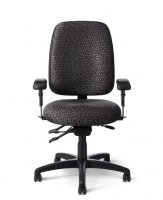
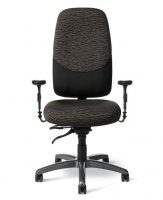
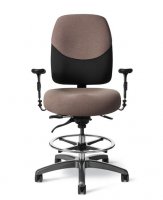
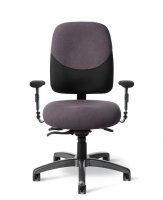
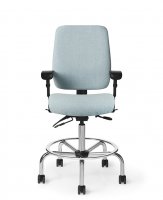
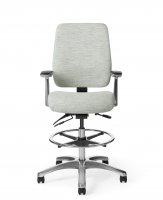
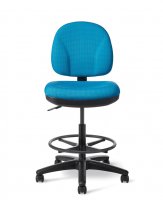
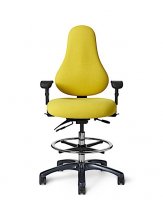
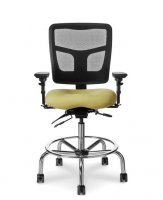
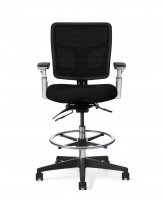
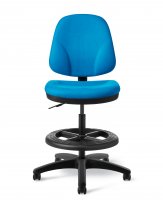
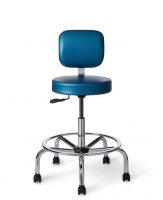
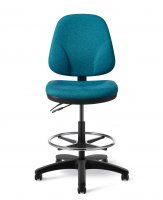
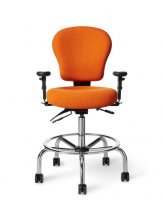
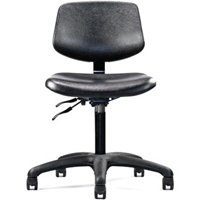
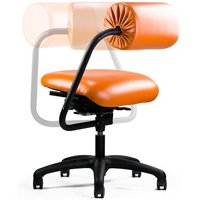
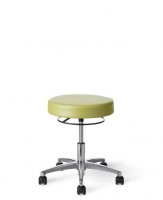
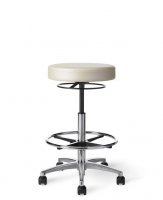
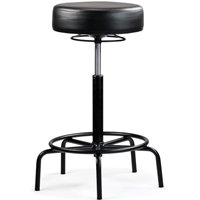
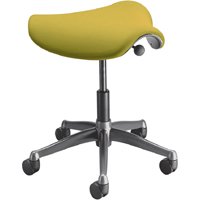
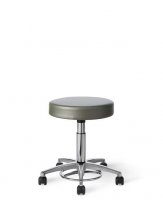
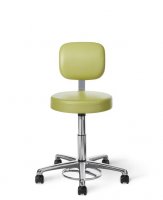
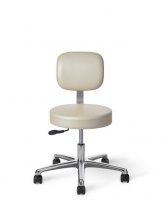
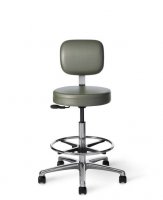
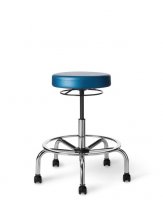
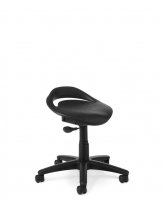
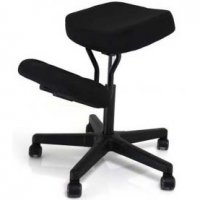
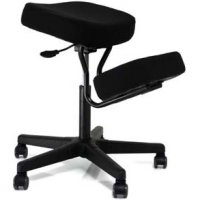
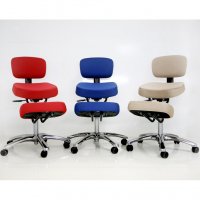
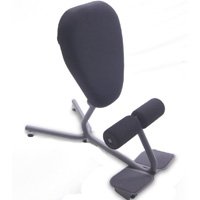
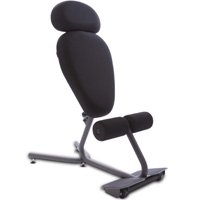
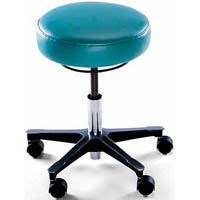
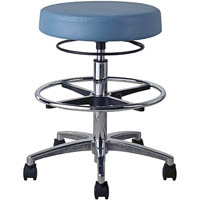
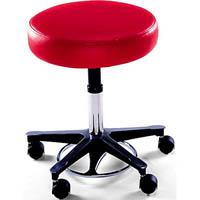
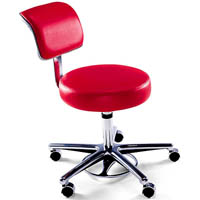
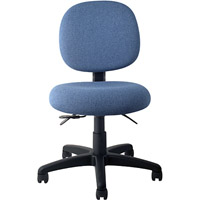
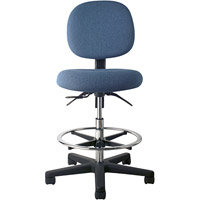
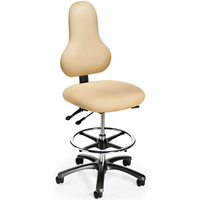
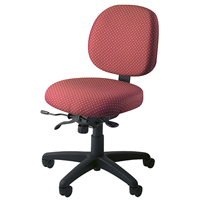
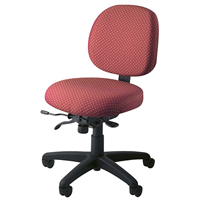
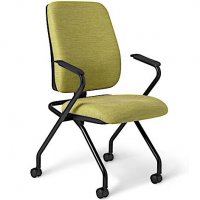
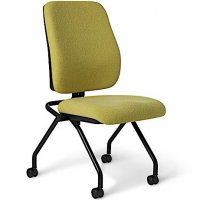
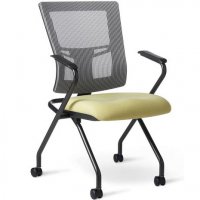
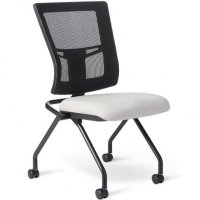
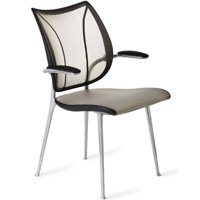
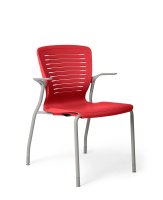
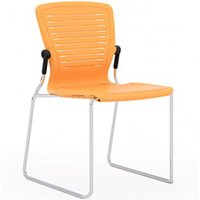
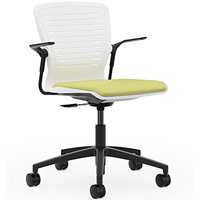
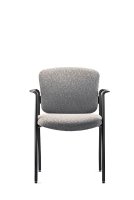
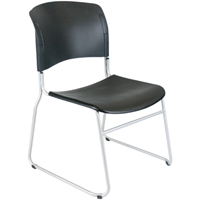
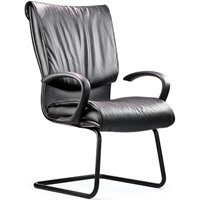
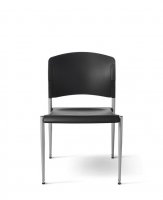
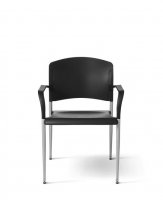
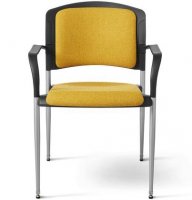
Here are the factors you should consider while choosing the right chair -
Height – The user’s height will determine his or her ergonomic seat height, which is the height of the chair’s seat cushion from the floor. It is the height at which the user can sit comfortably with feet secure on a flat surface and knees bent at 90-95 degrees.
Most adjustable chairs are available with an adjustable seat height range. Please make sure that your seat height falls within the seat height range of the chair you are interested in.
Weight – Every chair has a designated weight capacity. Please make sure that your weight is within the weight capacity of the chair of your choice.
Seat Width & Depth– Your seat width and depth measurements should match with the seat cushion’s width and depth. The chair’s sear cushion should be slightly wider than your measurement and the chair’s seat depth should be more than your measurement.
Desk Height – It might seem counterintuitive to consider desk height when choosing an ergonomic chair. However, the relationship between your desk height and seat height is one of the most important factors in selecting a chair that truly fits you.
For example, if you are of average height—around 5'4" or 5'5"—and use a standard fixed-height desk (typically 29" high), the desk may be too tall for comfortable typing. To reach the correct typing height, you may have to raise your chair until your feet no longer rest firmly on the floor. If you keep your chair lower so your feet stay supported, you'll likely end up typing with elevated shoulders and bent wrists. Both situations can lead to discomfort, fatigue, and musculoskeletal pain over time.
To overcome this mismatch, we often recommend adding either an ergonomic footrest or an under-desk keyboard tray. These accessories help you maintain proper typing posture while keeping your feet supported, allowing your chair to fit both your body and your workstation.
Keyboard/Mouse Height – This is similar to desk height. An ergonomic keyboard/mouse height will enable you to type with relaxed shoulders, elbows close to the body, straight wrists and forearms parallel to the floor.
Elbow Height – This measurement will help you identify the right arm rest for you.
Working Hours – The longer you use a chair each day, the more important proper fit, adjustability, and the ability to change your posture become. For full-day computer work, look for a chair that supports your body comfortably and allows you to move and adjust your position throughout the day. For intensive or 24/7 use, consider models specifically designed and rated for that level of use.
Sitting style – Your preferred working posture can help determine which chair mechanism suits you. If you work mostly upright, consider a chair with adjustments that help you position the seat and backrest comfortably. If you frequently recline, look for a mechanism that supports reclining and allows you to change posture without losing back support. In either case, adjustability and personal fit matter more than the mechanism's name alone.